We will send you an email to reset your password.



Recent Posts


01.
Apr
If you’ve noticed pigmentation, sun spots, or dull, uneven skin creeping in over the years, you’re not alone. It’s one of the most common concerns we see at Cronulla Skin Sanctuary, and one of the most treatable, when the right technology is used.
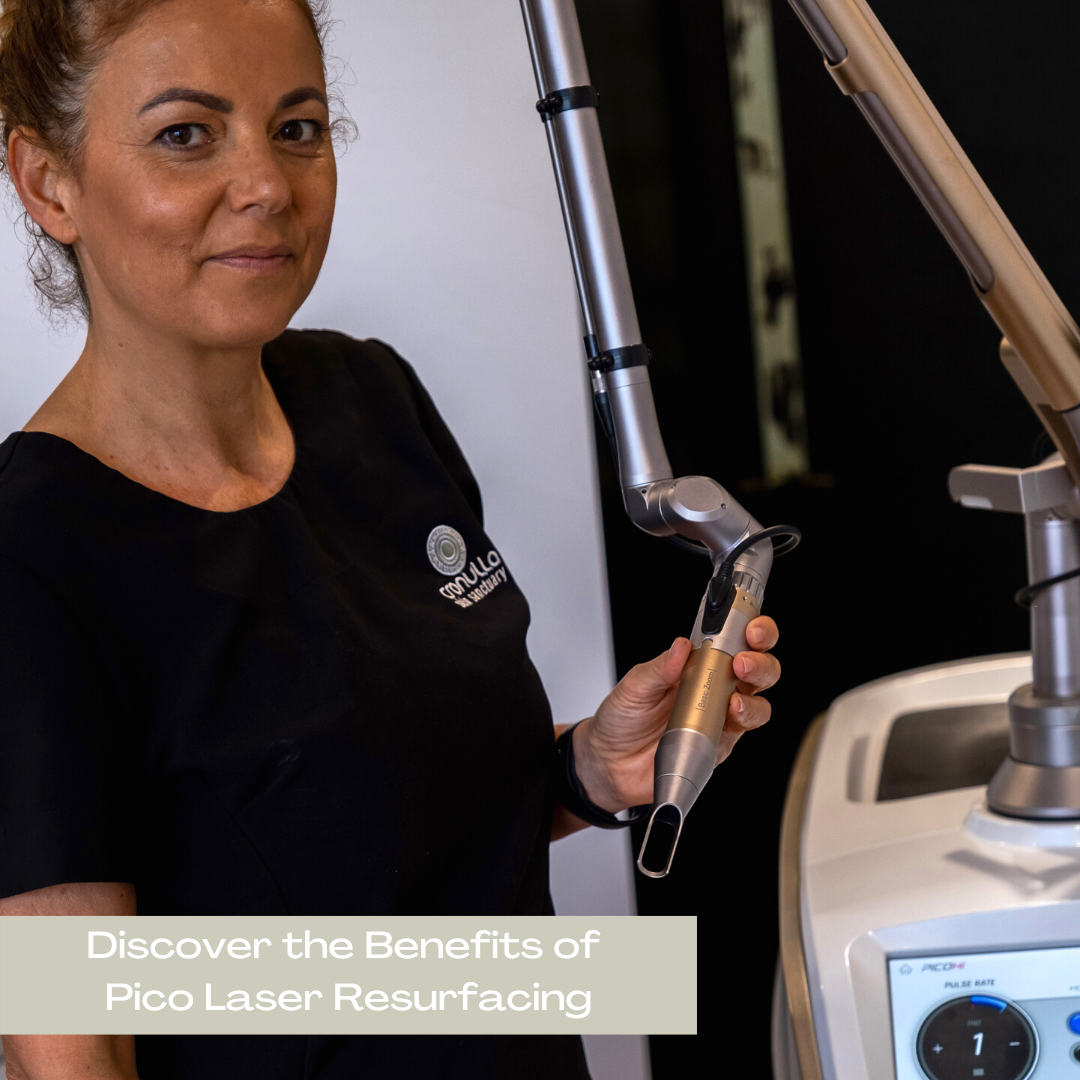
Pico laser resurfacing is one of the most advanced options available for pigmentation and skin texture concerns. Here’s what it actually does, who it suits, and what to expect if you’re considering it.
What Is Pico Laser Resurfacing?
Pico laser resurfacing uses ultra-short pulses, delivered in a fraction of a nanosecond, to break down unwanted pigment in the skin and stimulate collagen renewal in the deeper layers. The result is a brighter, smoother and more even complexion over time.
Unlike older laser technologies that rely on heat to affect the skin, pico laser works through a photoacoustic effect. This means it shatters pigment into tiny particles your body can naturally clear, without generating the same thermal damage to surrounding tissue. That’s a meaningful difference: less heat generally means less risk of irritation, and shorter recovery time.
What Skin Concerns Can Pico Laser Treat?
Pico laser is most commonly used for:
• Pigmented lesions, including freckles, sun spots and age spots
• Melasma and café au lait patches
• Uneven skin tone and dullness
• Enlarged pores
• Mild acne scarring and stretch marks
• Overall skin texture and rejuvenation
Because it targets pigment directly rather than broadly heating the skin, it’s suitable for a wider range of skin tones than many older laser treatments, though your therapist will always assess your individual skin during a consultation before recommending a treatment plan.
If one of these concerns sounds familiar, it’s worth looking at what a pico laser session at Cronulla Skin Sanctuary actually involves, treatments start from $150 for a spot treatment, with face, neck and décolletage options available depending on the area you’d like addressed.

|
 |
Is Pico Laser Painful? What About Downtime?
Most clients describe the sensation as a light tingling or prickly sensation, rather than pain.
Downtime is typically minimal. Some redness or mild swelling in the treated area is common for a few hours to a day or two afterwards, and pigmented spots may darken slightly before flaking off naturally over the following one to two weeks. Most clients return to normal activities the same day.
The number of sessions needed depends on what you’re treating. Sun spots and freckles often respond well within one to three sessions, while melasma and overall texture concerns are usually treated as a course, spaced a few weeks apart, for the best long term result. As with any cosmetic treatment, results and recovery time vary from person to person, which is exactly why we assess your skin before estimating a timeline for you rather than quoting a number.
It’s worth knowing upfront that, like any laser treatment, pico laser can carry some temporary side effects, mild sensitivity, dryness or flaking, and occasionally a temporary change in pigmentation. These are usually short lived and are talked through in full during your consultation, along with aftercare guidance such as sun protection and avoiding picking at the treated area while it heals.
How Pico Laser Works Beneath the Skin
For anyone who likes to understand the science behind their treatment, here’s what’s actually happening.
The fractionated beams delivered through the handpiece create a process called Laser Induced Optical Breakdown, or LIOB, within the dermis and epidermis. This forms microscopic zones of energy within the skin, which signals your body to ramp up its natural production of collagen and elastin.
The pigment-targeting pulses and the collagen-stimulating effect work together. One clears the visible discolouration on the surface, the other rebuilds skin quality from within, so results tend to keep improving in the weeks after treatment, not just immediately after your appointment.
Is Pico Laser Right for You?
Pico laser resurfacing tends to suit people who:
• Have pigmentation, sun damage or an uneven skin tone that hasn’t responded to skincare alone
• Want a treatment with minimal downtime
• Are looking for a longer-term improvement in skin texture, not just a temporary fix
It isn’t the right fit for everyone. Active skin infections, certain medications, and some skin conditions need to be assessed before treatment. This is why we always start with a proper skin consultation rather than booking straight into a package. It means the treatment plan is built around your skin, not a one size fits all protocol.
What Makes Cronulla Skin Sanctuary’s Approach Different
We’ve been treating the wider Sutherland Shire and Sydney community for over 20 years. That experience means we don’t just run a machine, we read your skin, tailor the settings and the treatment plan to your specific pigmentation and skin type, and guide you through aftercare so your results last.
If you’re currently using LED red light therapy alongside your skin routine, it can complement pico laser well by supporting the skin’s healing response after treatment. You can read more about how LED therapy works here.
If pigmentation isn’t your only concern, and you’re also noticing fine lines, sagging, or acne scarring, it’s worth knowing pico laser sits alongside other options like DMK Enzyme Treatments, UltraClear Laser or IPL Photo Rejuvenation in our advanced skin modalities, and a consultation is the best way to work out which one (or combination) suits your skin.
Frequently Asked Questions
IS PICO LASER SAFE FOR ALL SKIN TONES? Unlike many traditional lasers, Pico laser is suitable for all skin tones because it targets pigment with minimal heat transfer to surrounding skin. Your therapist will still assess your individual skin during a consultation, as settings are adjusted based on your specific skin type and concern.
HOW MANY PICO LASER SESSIONS WILL I NEED? This depends on what you’re treating. Isolated sun spots or freckles often improve within one to three sessions. Melasma and overall skin texture concerns usually need a short course of treatments spaced several weeks apart for the best result.
DOES PICO LASER HURT? Most clients describe it as a mild snapping or tingling sensation rather than pain. Numbing cream can be used if you’re extremely sensitive.
HOW LONG IS THE DOWNTIME AFTER PICO LASER? Downtime is minimal for most people. You may notice light redness or swelling for a day or two, and pigmented areas may darken slightly before flaking off over one to two weeks. Most people return to normal activities immediately.
CAN PICO LASER TREAT MELASMA? Yes, pico laser is commonly used to treat melasma, though because melasma is hormonally driven and can be more stubborn than sun spots, it’s usually treated as part of a broader plan that may include skincare and sun protection alongside laser sessions.
Ready to Address Your Pigmentation?
If pigmentation, sun spots or uneven skin tone have been bothering you, the best next step is finding out whether pico laser is the right fit for your skin by booking a consultation with no guesswork.
View Pico Laser Skin Resurfacing treatment details and pricing
Still deciding, or want to talk it through first? Get in touch with our team and we’ll help you work out the right starting point for your skin.